
A Strategic Guide for Stay-at-Home Parents to Build Flexible, Sustainable Earning Paths
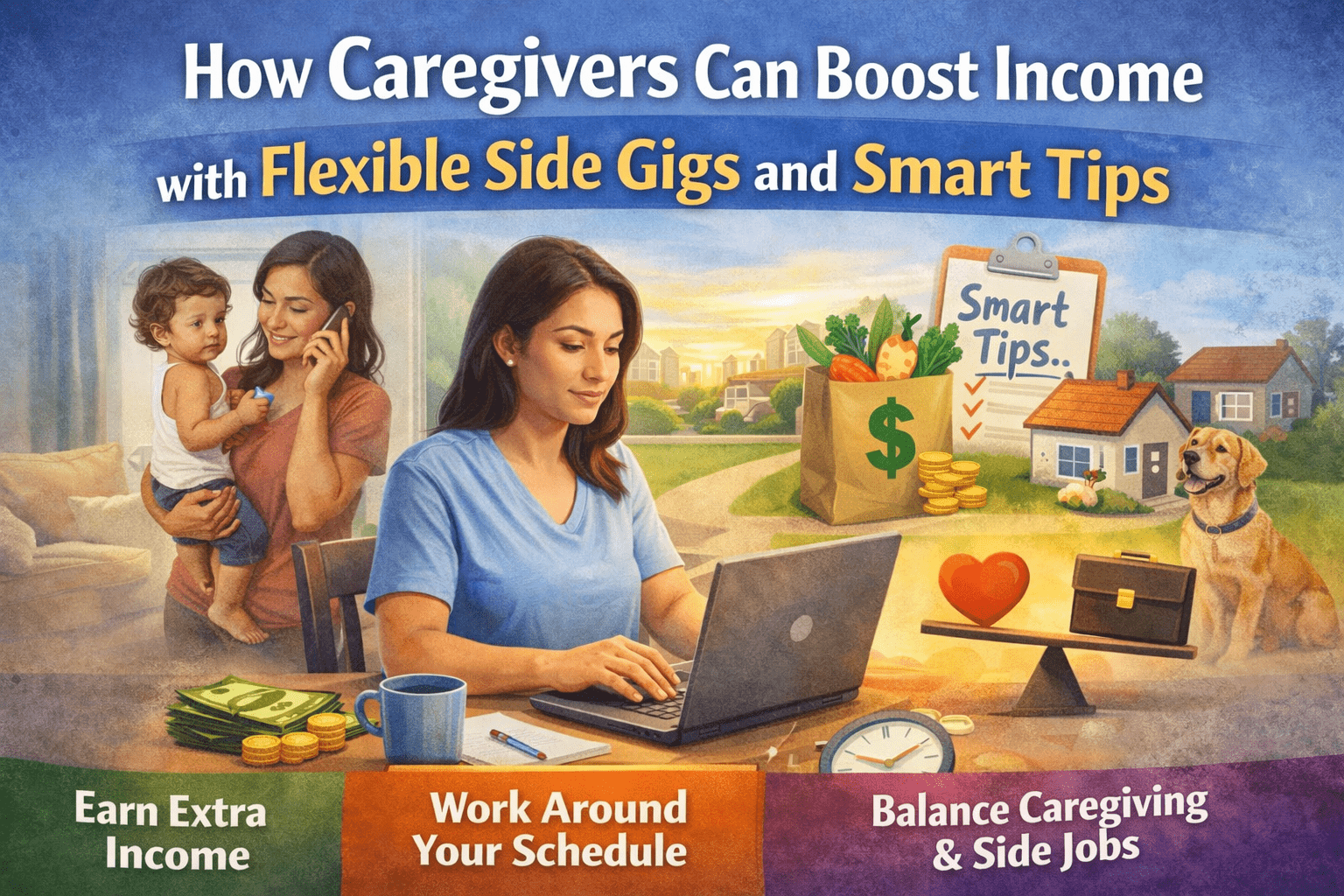
Modern stay-at-home parents are redefining financial independence. With flexible technologies, online education, and remote work ecosystems, creating new income streams no longer requires sacrificing time with family. The challenge isn’t whether opportunities exist — it’s how to align skills, systems, and tools to turn small windows of time into scalable value.
Principle Takeaways
Stay-at-home parents can build sustainable income through a mix of skill leverage, digital platforms, and structured learning. By combining practical freelancing, online education, and small-scale business models, they can generate reliable income while maintaining lifestyle flexibility.
Building Your Foundation: Mindset and Skill Inventory
Start with clarity. Identify what you already know, what people need, and what tools can multiply your time.
Checklist — Your Starting Inventory:
Resource: LinkedIn Learning offers affordable, flexible online training that helps parents upskill at their own pace.
Creating Value from Home: Digital Business Foundations
Starting a small online business can transform flexible hours into long-term value. For instance, selling curated goods, digital templates, or personalized coaching online offers creative autonomy. If you research your options and choose an accredited online business degree, parents can gain formal business and marketing skills to help their ventures thrive. The flexibility of earning a degree online means they can study around family life while building real-world experience.
From there, platforms like Etsy, Shopify, or even social selling via Instagram allow parents to start small and grow steadily.
Strategic Income Pathways for Stay-at-Home Parents
Here’s how to convert available hours into income systems:
| Pathway | Description | Skills Needed | Starting Cost | Income Potential |
|---|---|---|---|---|
| Freelance Services | Offer skills like writing, design, or admin support on Upwork. | Creative or admin | Low | $20–$60/hr |
| Digital Courses | Teach a skill or subject via Teachable or Udemy. | Subject expertise | Medium | Scalable |
| E-Commerce | Sell products via Shopify or Etsy. | Design/marketing | Medium | Variable |
| Affiliate Marketing | Promote trusted products on blogs or YouTube. | Content creation | Low | Medium |
| Virtual Assistance | Manage inboxes, schedules, or customer queries for businesses. | Organization | Low | $15–$40/hr |
How-To Section: Launching Your First Income Stream
Step-by-Step: Start Freelancing in 30 Days
- 1Select a niche — Choose 1–2 services (e.g., transcription, copywriting, bookkeeping).
- 2Set up profiles on Fiverr or Toptal.
- 3Build samples using real or mock projects.
- 4Pitch consistently — Aim for 10–15 proposals per week.
- 5Deliver excellence — Early 5-star reviews multiply visibility.
- 6Systemize your workflow with tools like Trello.
Pro Tip: Use small wins to build a portfolio, then raise your rates as credibility grows.
How-To Section: Launching Your First Income Stream
Once you stabilize your first income stream, reinvest time or earnings into scalable systems:
FAQ: Quick Answers for Busy Parents
Product Spotlight: Simplify Your Workflow with Notion
One of the most effective tools for stay-at-home entrepreneurs is Notion. It consolidates project tracking, client management, and personal planning into one customizable workspace — perfect for parents balancing family, freelancing, and small business goals.
Glossary
Final Checklist for Action:
Remember, the most successful stay-at-home parents aren’t just “earning from home” — they’re building systems that grow with them. By combining personal strengths, structured learning, and smart tools, parents can create flexible, resilient income streams that align with family priorities.
Discover how the CARE Coalition is transforming communities by empowering youth and caregivers with resources for mental wellness and leadership development!