
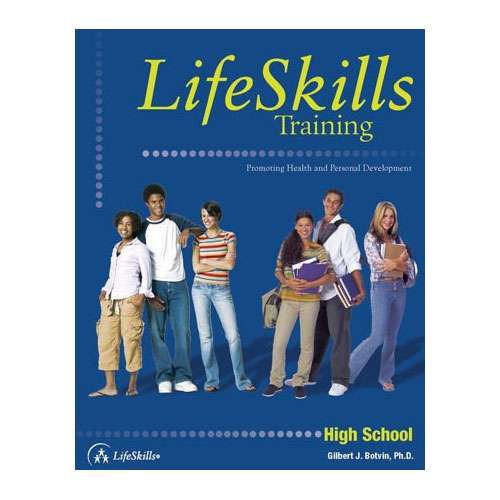
Botvin LifeSkills
Website: https://www.lifeskillstraining.com/
Developers: Dr. Gilbert J. Botvin Ph.D.
“Botvin LifeSkills Training (LST) is a research-validated substance abuse prevention program proven to reduce the risks of alcohol, tobacco, drug abuse, and violence by targeting the major social and psychological factors that promote the initiation of substance use and other risky behaviors. This comprehensive and exciting program provides adolescents and young teens with the confidence and skills necessary to successfully handle challenging situations.”
Students are given the opportunity to learn healthy alternatives to risky behaviors such as:
Botvin LST program consists of three components that help address drug use. Research shows that students who can develop skills in these domains are less likely to participate in risky behaviors:
- Drug Resistance Skills: Enables young people to recognize and challenge common misconceptions about tobacco, alcohol and other drug use and learn information and practical resistance skills for dealing with peers and media pressure.
- Personal Self-Management Skills: Students learn how to examine their self-image and its effects on behavior, set goals and keep track of personal progress, identify everyday decisions and how they may be influenced by others, analyze problem situations, and consider the outcomes of each alternative solution before making decisions, reduce stress and anxiety, and look at personal challenges in a positive light.
- General Social Skills: Students develop the necessary skills such as effective communication, avoiding misunderstandings, handling social requests, shyness, verbal and nonverbal assertiveness skills, and refusal requests. Students will recognize that they have choices other than aggression or passivity when faced with tough situations.